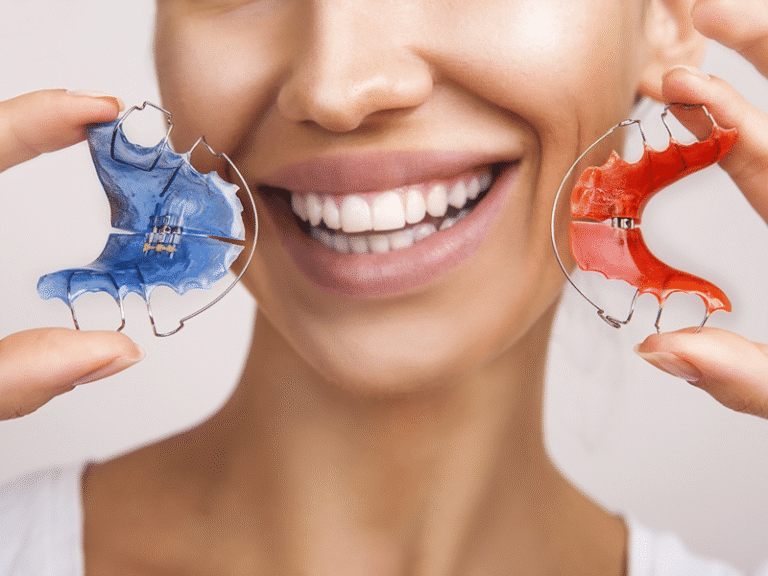
Getting braces is an exciting step towards a straighter smile. But once those brackets and wires are in place, your usual brushing routine may need a little adjustment.
Food particles can become trapped around brackets, under wires and between teeth. If plaque is not removed properly, it can increase your risk of tooth decay, gum inflammation, bad breath and visible marks on your teeth.
The good news? Cleaning your teeth with braces does not have to be complicated. With the right tools and a consistent routine, you can protect your teeth and gums throughout orthodontic treatment.
Whether you are wearing braces as a teenager or an adult, these seven practical tips will help you maintain good oral hygiene during your treatment in Lagos.
Why Is Oral Hygiene Important When You Have Braces?
Braces create additional surfaces where food debris and plaque can collect. The small brackets attached to your teeth and the wires connecting them can make certain areas more difficult to reach with an ordinary toothbrush.
When plaque remains around the brackets, it can irritate your gums and contribute to tooth decay. Poor cleaning may also lead to white marks on your teeth, which can remain visible even after your braces are removed.
According to the NHS guide to braces, keeping teeth and braces clean is an important part of orthodontic treatment.
Good oral hygiene is therefore about more than having a beautiful smile when treatment ends. It is about keeping the teeth you already have healthy while they move into their new positions.
7 Essential Tips for Cleaning Your Teeth With Braces
1. Use a Soft-Bristled Toothbrush and Fluoride Toothpaste
Your toothbrush is your first line of defence against plaque.
Choose a soft-bristled toothbrush with a small head that can reach the areas around your brackets. A manual toothbrush can work well, while an electric toothbrush may make cleaning easier for some people.
Use fluoride toothpaste to help strengthen your enamel and protect against cavities.
How to brush effectively:
- Place your toothbrush at an angle towards the gumline.
- Brush gently above the brackets, directly around them and below the brackets.
- Clean the inner surfaces of your teeth and the chewing surfaces of your back teeth.
- Use small, controlled movements rather than scrubbing aggressively.
- Brush for at least two minutes, twice daily, including before bed.
If possible, brush after meals as well, especially when food has become trapped in your braces. If you cannot brush immediately, rinse your mouth with water and brush when you can.
Avoid brushing too forcefully. Hard scrubbing can irritate your gums and does not necessarily remove plaque more effectively.
2. Clean Around Every Bracket and Under the Wires
One of the biggest challenges of cleaning teeth with braces is reaching the areas around the brackets and wires.
Simply brushing across the front of your teeth may leave plaque behind.
Divide your mouth into sections and clean each area carefully. Work around the brackets and along the gumline, paying attention to the spaces where food commonly gets stuck.
A useful approach is to brush the upper and lower parts of each bracket separately before moving to the next tooth.
Use a mirror and good lighting to check your progress. If you notice food debris or plaque remaining around a bracket, clean the area again gently.
Taking a little extra time now can help reduce the risk of problems later in your treatment.
3. Use an Interdental Brush for Hard-to-Reach Areas
An interdental brush is a small brush designed to clean spaces that a regular toothbrush may struggle to reach.
When you have fixed braces, it can help remove food particles and plaque around brackets and beneath the orthodontic wire.
How to use an interdental brush:
- Choose a brush that fits comfortably into the space you need to clean.
- Gently guide it around the brackets and beneath the wire where appropriate.
- Move it carefully without forcing it into tight spaces.
- Rinse the brush after use and follow the manufacturer’s cleaning instructions.
The brush should not hurt or require force. If it does not fit comfortably, ask your dentist or orthodontic team to recommend a suitable size.
Interdental brushes are useful additions to your routine, but they do not replace brushing all the surfaces of your teeth.
4. Do Not Skip Flossing
Braces can make flossing feel like a difficult task, especially when you are still getting used to them. However, cleaning between your teeth remains important because a regular toothbrush cannot effectively reach every space.
Food debris and plaque can collect between teeth even when the visible surfaces look clean.
For fixed braces, you can use orthodontic floss threaders or floss designed to make cleaning around braces easier. A water flosser may also be a useful option for some people, depending on their needs and their dentist’s advice.
A few flossing tips:
- Clean between your teeth at least once daily.
- Thread the floss carefully beneath the orthodontic wire when using ordinary floss with a threader.
- Gently guide the floss along the sides of each tooth rather than snapping it into your gums.
- Ask your orthodontic team to demonstrate the technique if you are unsure.
The American Dental Association’s guide to flossing and interdental cleaners explains why cleaning between teeth helps remove plaque from areas toothbrushes cannot reach effectively.
5. Rinse Your Mouth and Check for Trapped Food After Meals
Eating with braces can leave small pieces of food caught around your brackets and wires. This is particularly common after meals containing fibrous vegetables, meat or other foods that break into small pieces.
Whenever possible, brush after eating. If you are at work, school or out in Lagos and cannot brush immediately, rinse your mouth thoroughly with plain water.
After eating, check your teeth in a mirror if one is available. Pay particular attention to the front brackets and the spaces between your back teeth.
Keep a small oral-care kit with you if your schedule involves spending long hours outside the house. A travel toothbrush, fluoride toothpaste and an appropriately sized interdental brush can make cleaning easier when you are away from home.
Rinsing is a helpful temporary measure, but it should not replace proper brushing and interdental cleaning.
6. Limit Sugary Snacks and Avoid Foods That Can Damage Your Braces
Your food choices can influence both your oral health and the condition of your braces.
Frequent sugary snacks and drinks expose your teeth to repeated acid attacks, increasing the risk of decay. Sticky foods can cling to brackets, while hard foods may damage brackets or bend wires.
Try to limit frequent sugary snacks, sweets, biscuits and sweetened drinks. Water is a good everyday drink, and balanced meals can help support your general and oral health.
With fixed braces, take care with foods such as:
- Hard sweets and ice.
- Sticky toffees and caramel.
- Chewing gum that can become trapped in the appliance.
- Very hard or crunchy foods that may damage brackets.
- Foods that are difficult to bite into without cutting them into smaller pieces.
You do not necessarily need to avoid every firm food. Cutting suitable foods into smaller pieces and chewing carefully may help, but follow the specific dietary instructions given by your orthodontist.
If a bracket becomes loose or a wire breaks, contact your orthodontic clinic for advice rather than trying to repair the appliance yourself.
7. Keep Your Regular Dental and Orthodontic Appointments
Even if you brush and floss diligently, professional monitoring remains important throughout orthodontic treatment.
Your orthodontist checks how your teeth are moving and whether your braces are functioning as planned. Your regular dentist also helps monitor your teeth and gums for signs of decay, gum disease and other oral-health problems.
Do not assume that because you are already seeing an orthodontist, you no longer need routine dental check-ups.
Ask your dental team how often you should attend, based on your oral health and individual treatment plan.
Contact your dentist if you notice persistent bleeding or swollen gums, increasing tooth sensitivity, white or brown marks around brackets, or persistent bad breath despite good cleaning.
If you experience severe pain, significant swelling or signs of infection, seek prompt dental assessment.
What Tools Do You Need to Clean Teeth With Braces?
You do not need a cupboard full of dental products to maintain good oral hygiene. Start with the essentials and add specialised tools when recommended.
| Oral-care tool | How it helps |
|---|---|
| Soft-bristled toothbrush | Cleans tooth surfaces, gumlines and around brackets. |
| Fluoride toothpaste | Helps strengthen enamel and prevent tooth decay. |
| Interdental brush | Reaches around brackets and beneath wires. |
| Floss or floss threader | Cleans between teeth and along their sides. |
| Travel toothbrush kit | Helps you maintain your routine away from home. |
| Water flosser, if suitable | Can help dislodge food debris and support interdental cleaning. |
The best combination depends on the type of braces you have, how closely your teeth sit together and your individual oral-health needs. Your dentist or orthodontist can show you how to use each tool correctly.
How Often Should You Clean Your Teeth When You Have Braces?
As a general routine, brush with fluoride toothpaste for two minutes in the morning and before bed, and clean between your teeth every day.
Brushing after meals is also helpful when you have fixed braces because food can collect around the brackets and wires. If you have just consumed something acidic, such as a soft drink or citrus juice, rinse with water and wait around 30 to 60 minutes before brushing to reduce the risk of enamel wear.
Your orthodontic team may recommend additional cleaning steps depending on your circumstances.
Consistency matters more than rushing through a routine. Thorough, gentle cleaning every day helps you protect your teeth while your braces do their work.
Can You Get Cavities or Stains While Wearing Braces?
Yes. Braces do not automatically cause cavities or stains, but plaque that remains around brackets can increase the risk of tooth decay and enamel changes.
White spots may develop when acids produced by plaque bacteria remove minerals from the enamel. These marks can become noticeable after braces are removed.
To reduce the risk:
- Brush thoroughly with fluoride toothpaste.
- Clean between your teeth every day.
- Limit frequent sugary foods and drinks.
- Attend regular dental check-ups.
- Follow your dentist’s advice about additional fluoride protection if needed.
If you notice a change in the colour of your teeth, do not try to remove it by scrubbing harder or using harsh whitening products. Ask your dentist to assess the cause and recommend an appropriate approach.
Need Advice About Braces Care in Lagos?
Keeping your teeth clean while wearing braces may require a little more time and patience, but the routine becomes easier with practice.
At Smilesdotcom Dental Clinic, we help patients understand their orthodontic treatment and maintain healthy teeth and gums throughout their smile journey.
Whether you already have braces or are considering orthodontic treatment, our team can help you understand the care your smile needs.
Book an appointment with Smilesdotcom Dental Clinic in Lekki or Gbagada, Lagos.
Call or WhatsApp: +234 901 314 0324
Healthy Smiles, Happy Lives.