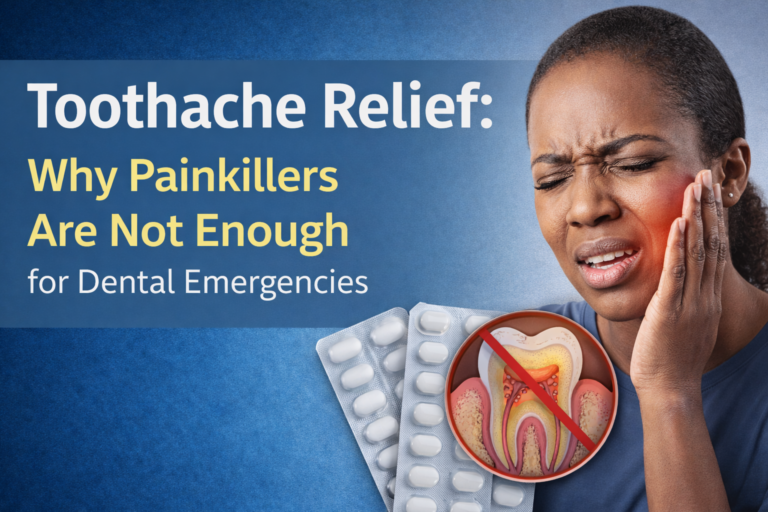
Have you ever treated a tooth problem only for it to return months later? You’re not alone.
Many people believe that once a tooth has been treated, the problem is gone forever. While treatment solves the immediate issue, your daily habits and oral health routine play a major role in preventing it from coming back.
Let’s look at some of the most common reasons recurring dental problems happen.
Poor Oral Hygiene
Brushing twice a day is important, but brushing alone isn’t always enough.
If plaque continues to build up around your teeth and gums, bacteria remain active, increasing your risk of tooth decay and gum disease.
Flossing daily and using the right brushing technique help remove plaque from areas your toothbrush cannot reach.
Skipping Regular Dental Checkups
Many people only visit a dentist when they are in pain.
Unfortunately, by the time pain appears, the problem may already be advanced.
Routine dental checkups every six months allow your dentist to detect small problems before they become serious.
Old Dental Work
Dental fillings, crowns, and other restorations are durable but not permanent.
Over time, they can wear out, develop tiny gaps, or crack. These spaces allow bacteria to enter, causing new decay underneath.
Regular dental examinations help identify these issues early.
Teeth Grinding
Some people grind or clench their teeth without knowing, especially while sleeping.
This places excessive pressure on the teeth, leading to worn enamel, cracked fillings, jaw pain, and tooth sensitivity.
If untreated, the damage continues over time.
Diet High in Sugar
Frequent snacking on sugary foods and drinks feeds the bacteria responsible for tooth decay.
Even if you brush regularly, constant sugar exposure increases your risk of developing cavities repeatedly.
Smoking
Smoking affects blood circulation in the gums, making it harder for your mouth to heal.
It also increases the risk of gum disease, bad breath, tooth staining, and eventual tooth loss.
Medical Conditions
Certain health conditions and medications can affect your oral health.
Dry mouth, diabetes, and reduced saliva flow create an environment where bacteria thrive, increasing the chances of recurring dental problems.
Ignoring Early Signs
Bleeding gums, bad breath, sensitivity, or mild discomfort are often ignored because they seem harmless.
These early warning signs usually indicate an underlying problem that can worsen if left untreated.
How to Prevent Recurring Dental Problems
You can reduce your risk by following a few simple habits:
- Brush your teeth twice daily with fluoride toothpaste.
- Floss every day.
- Limit sugary snacks and drinks.
- Visit your dentist every six months.
- Replace worn toothbrushes every three months.
- Address dental concerns as soon as they appear.
Let Smilesdotcom Help You Protect Your Smile
A healthy smile isn’t just about treating problems. It’s about preventing them from coming back.
At Smilesdotcom Dental Clinic, we focus on preventive care, early diagnosis, and personalised treatment to keep your smile healthy for years to come.
Visit us at our Lekki or Gbagada branch, or take advantage of our convenient Mobile Dental Service if you prefer treatment at home or in the office.
Book your appointment today.
📞 Call or WhatsApp: +234 901 314 0324